Architectural Photography Insights & Stories
Project Features
Step inside the projects we’ve photographed—from civic landmarks to commercial spaces and private developments. Each feature explores the design intent, the photography approach, and the story of how these spaces came to life.
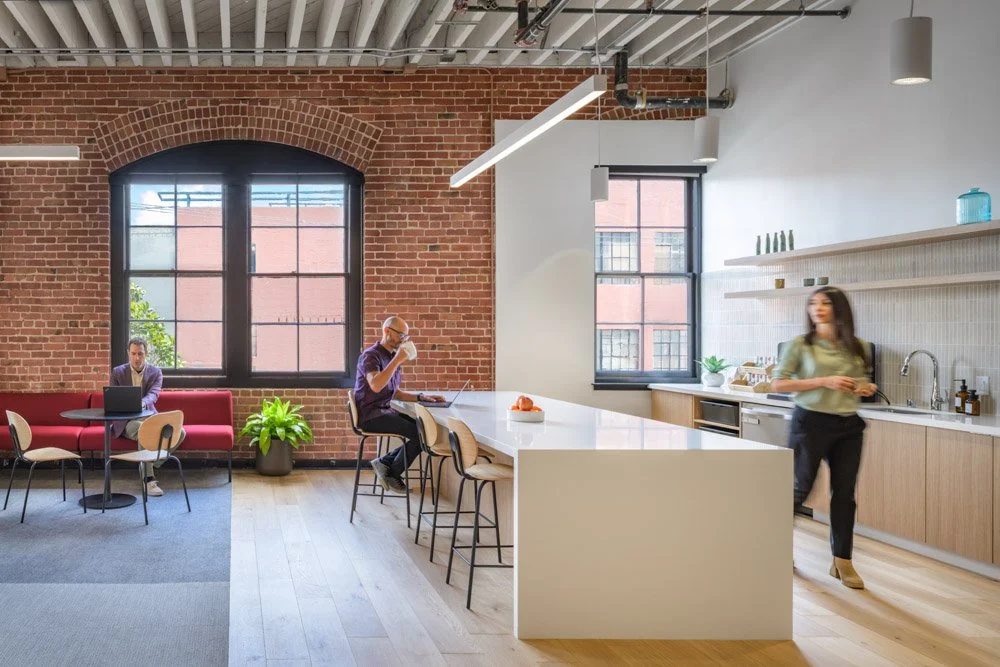
Abridge’s new San Francisco headquarters brings a modern workplace into a brick-and-timber industrial building dating to 1911. Original windows, masonry, timber framing, and sliding wood doors remain central to the design, paired with new spaces for collaboration, meetings, and recharging.
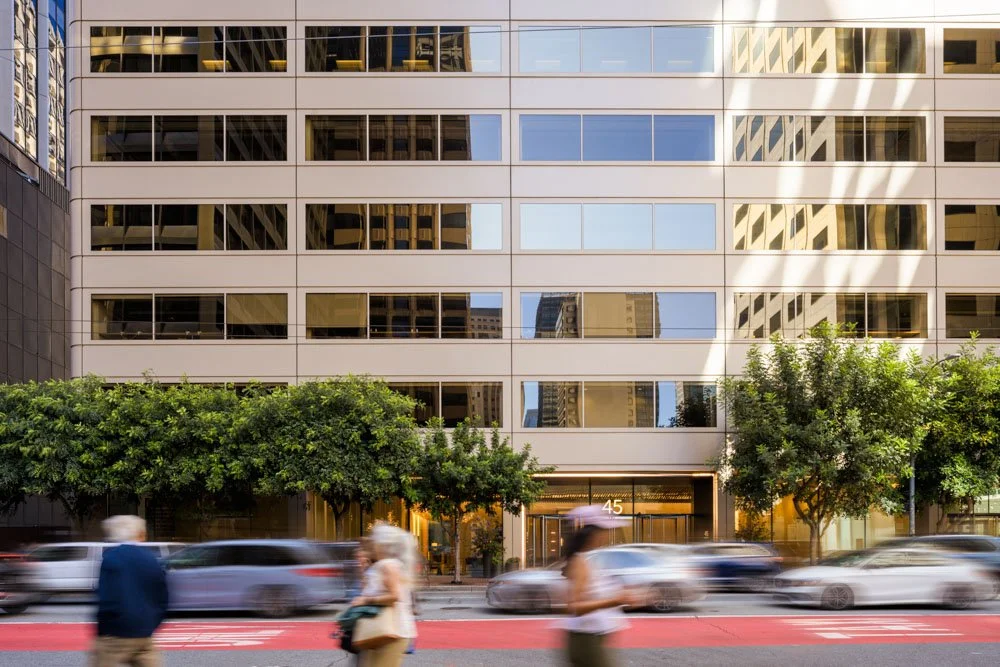
Completed in 1978, 45 Fremont still holds a handsome presence within San Francisco’s changing skyline. Ground-based and aerial photography, architectural film, and timelapse frame the tower through warm light, shadows, facade details, and layers of surrounding architecture.
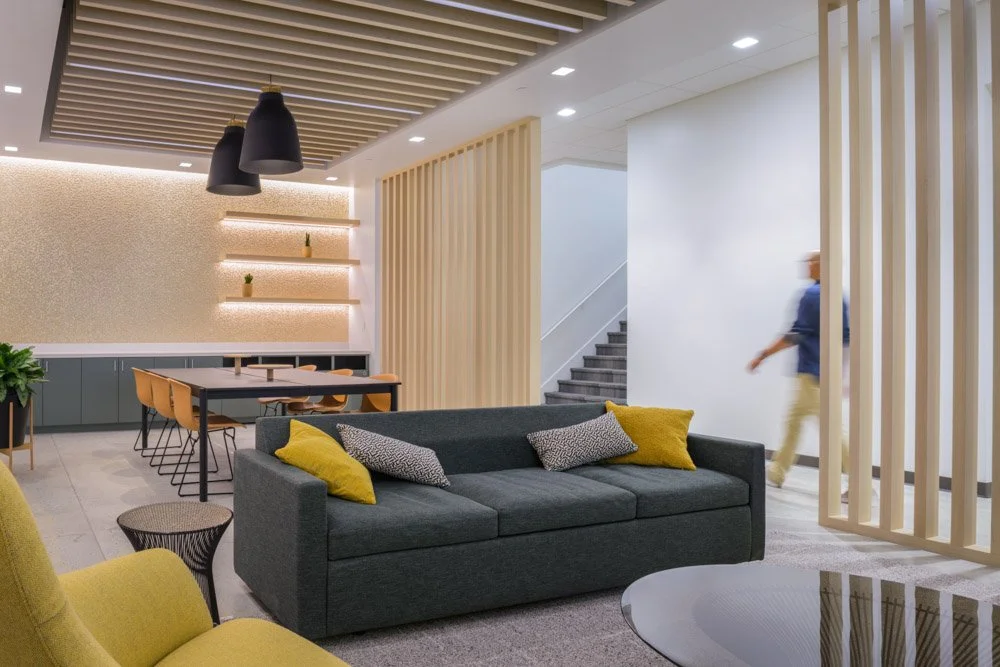
This San Jose commercial office remodel for F5 reimagines shared amenities with layered lighting, acoustic detailing, and hospitality-inspired materials. The photography focuses on how design choices shape daily workplace experience and support recruitment, retention, and brand presence. Explore how interior architecture photography helps communicate performance and atmosphere in a competitive tech market.
Among the latest and most striking additions to San Francisco's skyline is the Salesforce Tower, designed by the renowned Pelli Clarke & Partners. However, it’s not just the height of the Salesforce Tower that makes it iconic; it’s the way it interacts with its environment, particularly the fog that frequently blankets the city.
Guides for Architects, Builders & manufacturers
Photography and video aren’t just about documentation—they’re strategic tools for recognition, marketing, and winning new work. These guides offer practical advice on everything from scheduling shoots to preparing spaces and getting the most value from professional imagery.
Every day, we pass through spaces powered by industries most people never think about—manufacturing plants, hospitals, data centers, and commercial facilities. Behind these projects are teams of contractors, engineers, and skilled trades that keep our built environment running.
Drone photography has revolutionized how architectural projects are presented, allowing your designs to be showcased in ways that ground-level images simply can’t match. From capturing sweeping aerial views to crafting detailed shots of intricate structures, a reliable drone service can transform your marketing materials. But not every provider has the skillset or experience to meet the specific needs of architects and designers.
When clients or photographers start researching costs, one question comes up again and again: how much do architectural photographers charge? The answer isn’t the same for every project — but it’s not a mystery, either. Most professional shoots fall within clear ranges, and those numbers shift based on project size, image use, and market.
Capturing the essence of a construction project isn’t just about snapping a few photos. It’s about telling a story.
Drones are no longer just cool gadgets for tech enthusiasts; they've become essential tools in various industries, including construction.
In today's visual world, drone videography has become a game-changer for showcasing projects. Whether you're an architect, a designer, or a builder, aerial footage adds a whole new perspective to your work. Imagine capturing the sweeping views of a landscaped garden or the intricate details of a building's exterior from above. High-quality drone footage can make your projects stand out, offering potential clients and stakeholders a unique view that ground-level shots simply can't provide.
What is architecture photography? It’s the art of photographing buildings and spaces in a way that is both accurate and visually engaging. Unlike real estate photography, which is focused on selling a property quickly, architectural photography is about honoring design. The goal isn’t speed, but precision…
Drone photography has taken the architecture and design world by storm. With the ability to capture stunning aerial views, drones offer a unique perspective that ground-level shots simply can’t match.
Behind the Lens: Tips for Photographers
A resource for fellow creatives and architectural photographers. Explore articles on techniques, workflow, and visual storytelling that reveal what goes into capturing award-worthy imagery.
Most people see a finished construction video and assume it’s just a matter of showing up and filming whatever’s happening on-site. But the reality? A great video starts long before you press record.
When clients or photographers start researching costs, one question comes up again and again: how much do architectural photographers charge? The answer isn’t the same for every project — but it’s not a mystery, either. Most professional shoots fall within clear ranges, and those numbers shift based on project size, image use, and market.
Capturing the beauty and functionality of architectural spaces goes beyond showcasing their structure; it involves highlighting how humans interact within those spaces. The Foster Family Theater at the Gallo Center for the Arts in Modesto, California, exemplifies a venue designed with intimacy and interaction in mind.
Drones have revolutionized the field of photography, allowing us to capture breathtaking views from heights previously unimaginable.
When we think of architecture, vivid images of colorful buildings and vibrant landscapes often come to mind.
Abstract architecture photography lets you see the world of buildings in a fresh way. Instead of capturing a whole structure, you zoom in on parts that most people overlook.
In architectural photography, the images we create don’t just capture buildings — they become valuable tools for firms who want to showcase their work. But once the photos are delivered, an important question comes up: who can use them, and how? That’s where architectural photo licensing comes in.
Every architectural photographer knows the value of a solid tripod. But the tripod head is just as critical. It’s the part that determines how precisely you can position your camera — and in architecture, precision is everything.
When you think of architectural photography, one-point perspective might not be the first thing that comes to mind.
Architectural photography demands precision. Buildings aren’t just subjects — they’re carefully designed works of art that deserve to be shown without distortion. The challenge is that standard wide-angle lenses often bend the rules of geometry. Tilt your camera up to capture a tall structure, and suddenly vertical lines converge, making it look like the building is falling backward.
The Arco da Rua Augusta in Lisbon is one of the city's most iconic landmarks. Built to commemorate the reconstruction of Lisbon after the 1755 earthquake, this stunning arch is a must-see for any photographer. In this blog post, I’ll share my experience of capturing this monument at dawn, along with some valuable travel photography tips.
What is architecture photography? It’s the art of photographing buildings and spaces in a way that is both accurate and visually engaging. Unlike real estate photography, which is focused on selling a property quickly, architectural photography is about honoring design. The goal isn’t speed, but precision…
Shopping for a camera for architectural photography in 2026? Here’s a practical shortlist of full-frame and medium-format bodies that deliver the resolution, dynamic range, and lens options architects and photographers care about—plus the tradeoffs that actually matter on real shoots.
Need lenses that keep lines straight and details crisp? Here are 2026-ready picks for tilt-shift, wide-angle zoom, and mid-range zoom lenses—organized by camera system with clear, practical notes.
Design, Craft & Inspiration
Photography is about more than buildings—it’s about design culture and visual craft. In this section, you’ll find reflections on design, the art of photography, and the elements that make spaces truly memorable.
Every so often, a film reminds us that architecture isn’t just a backdrop—it’s a story in itself. This year, The Brutalist turned heads at the Academy Awards, proving that a building’s design can be just as gripping as the characters that move through it.
When we think of architecture, vivid images of colorful buildings and vibrant landscapes often come to mind.
Abstract architecture photography lets you see the world of buildings in a fresh way. Instead of capturing a whole structure, you zoom in on parts that most people overlook.
When you think of architectural photography, one-point perspective might not be the first thing that comes to mind.