

Curved Walls and Quiet Light: Photographing the SGI-USA Silicon Valley Center
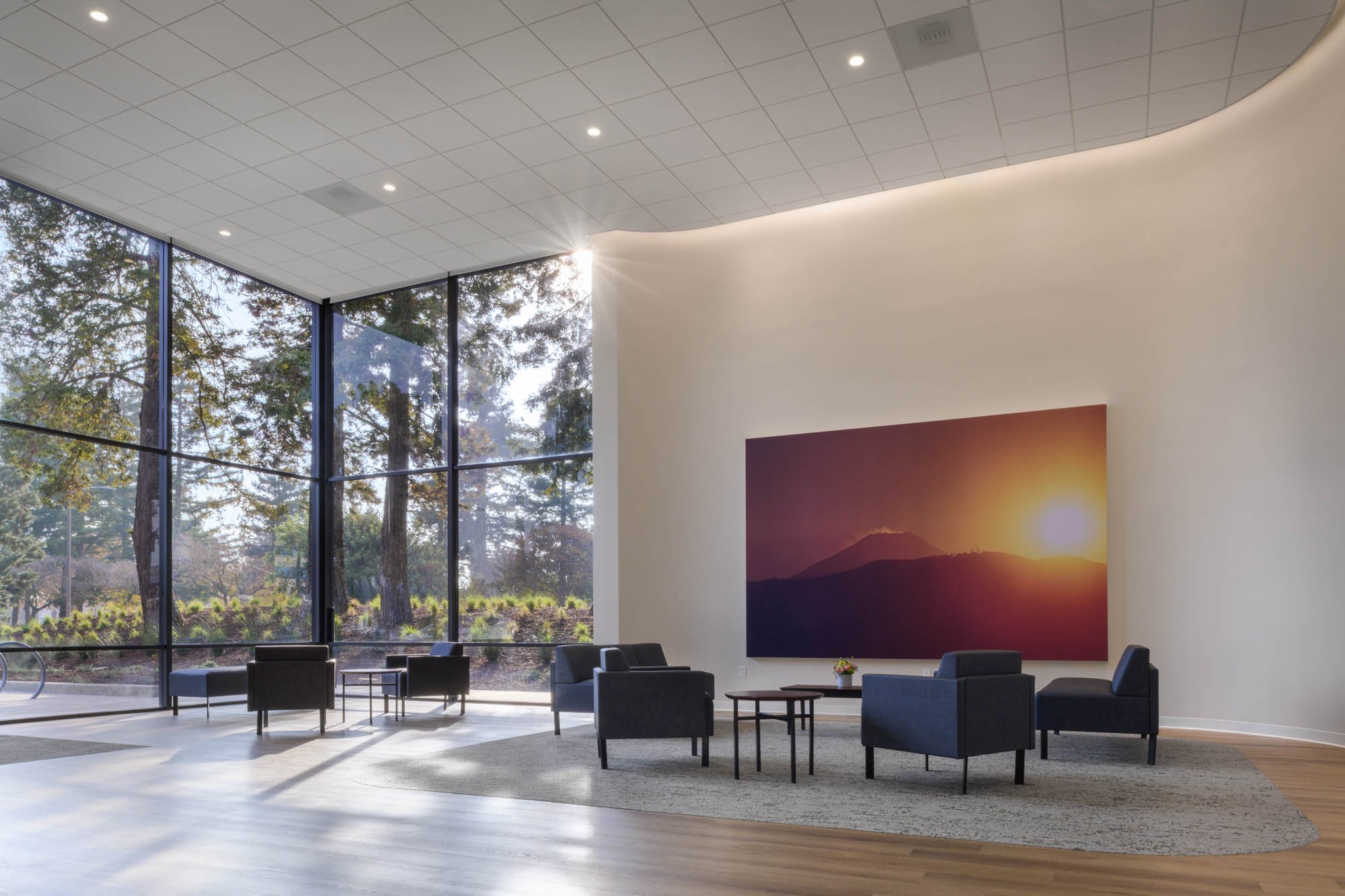
SGI-USA recently opened a new center in Sunnyvale, moving from a smaller facility into a much larger building designed to support a growing community. The new location occupies a former commercial tilt-up warehouse that has been carefully adapted to serve as a welcoming place for gatherings, meetings, and quiet reflection.
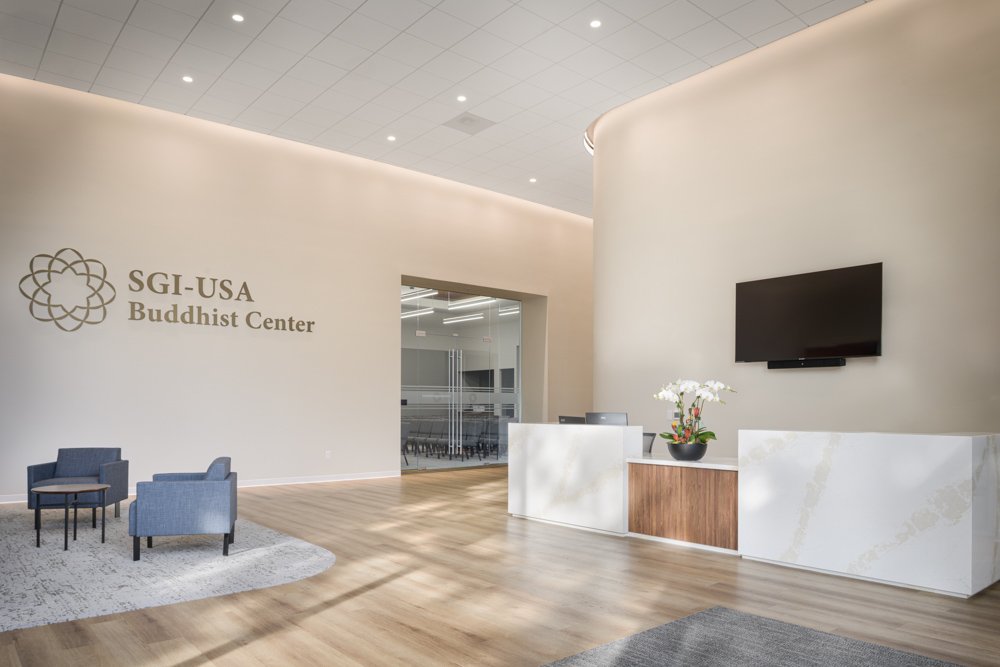
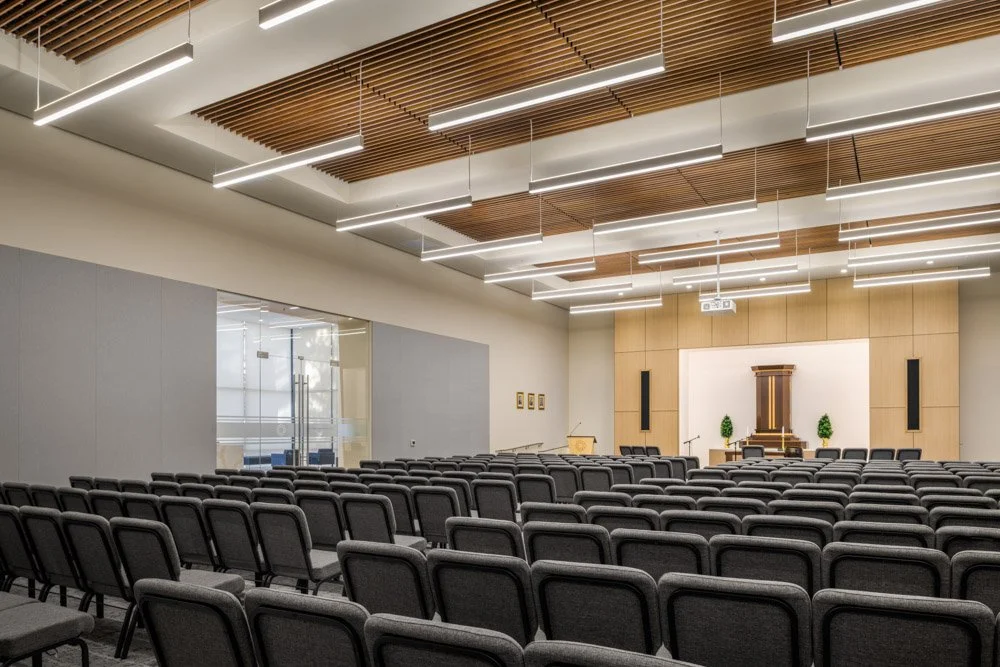
The building now includes a spacious lobby, a sanctuary for larger events, several meeting rooms, a bookstore, and a quiet room for smaller moments of study or meditation. Parts of the original warehouse remain open and flexible, allowing the organization to grow into the space over time as new programs and activities develop.
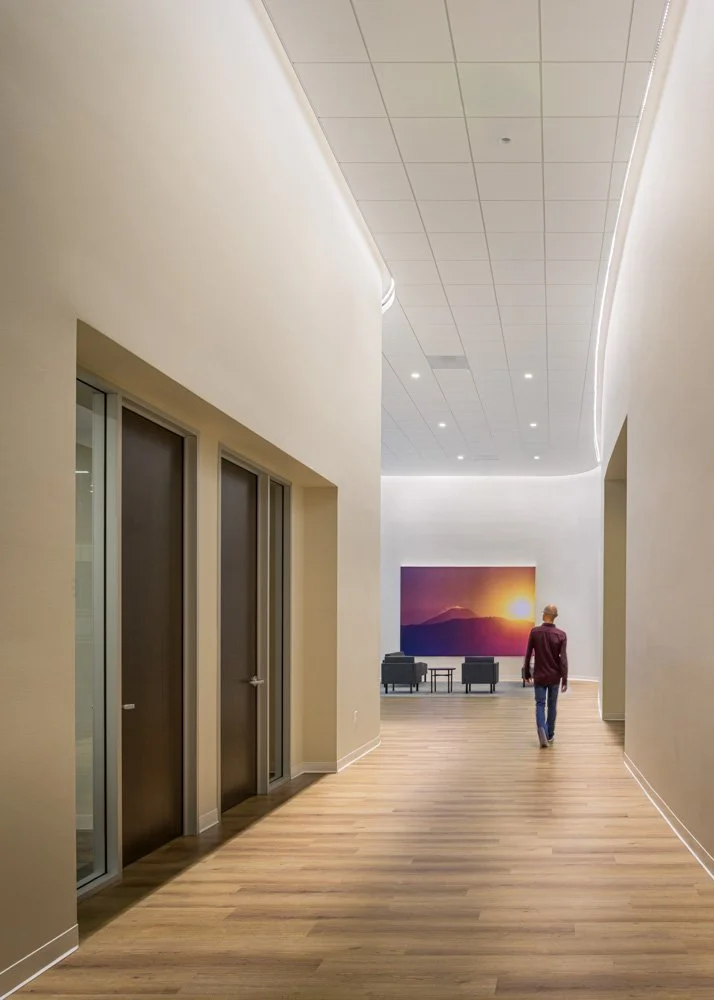
What immediately stands out when you enter the building is the way the walls gently curve as they move through the interior. The effect is subtle but noticeable. Instead of walking down long straight hallways, visitors move through spaces that gradually unfold. The high ceilings and restrained palette—soft whites, gray tones, and warm wood—keep the environment calm and open, allowing the people using the building to bring the energy into it.
Project Overview
Project: SGI-USA Silicon Valley
Project Type: Tenant Improvement
Building Type: Religious
Location: Sunnyvale, CA
Photography Year: 2025
End Client: SGI-USA
Architect: Arc Tec, Inc.
General Contractor: McLarney Construction
Key Partners: Jordan Electric (Electrical Subcontractor)
Photography Scope: Interior Architectural Photography
Client Use: Portfolio, Online and Print Marketing, Proposals and Client Presentations
Photographer: Rob Calderwood Architectural Photography (San Francisco Bay Area)
Design Story
SGI-USA is a lay Buddhist organization focused on dialogue, education, and community engagement. The Sunnyvale center acts as a regional hub where members gather for discussions, study sessions, and events throughout the week.
The design of the building reflects that sense of openness. The spaces are intentionally simple and calm, allowing them to support a wide range of activities without feeling overly formal or rigid. Light finishes, natural wood accents, and soft lighting help create an atmosphere that feels welcoming from the moment visitors arrive.
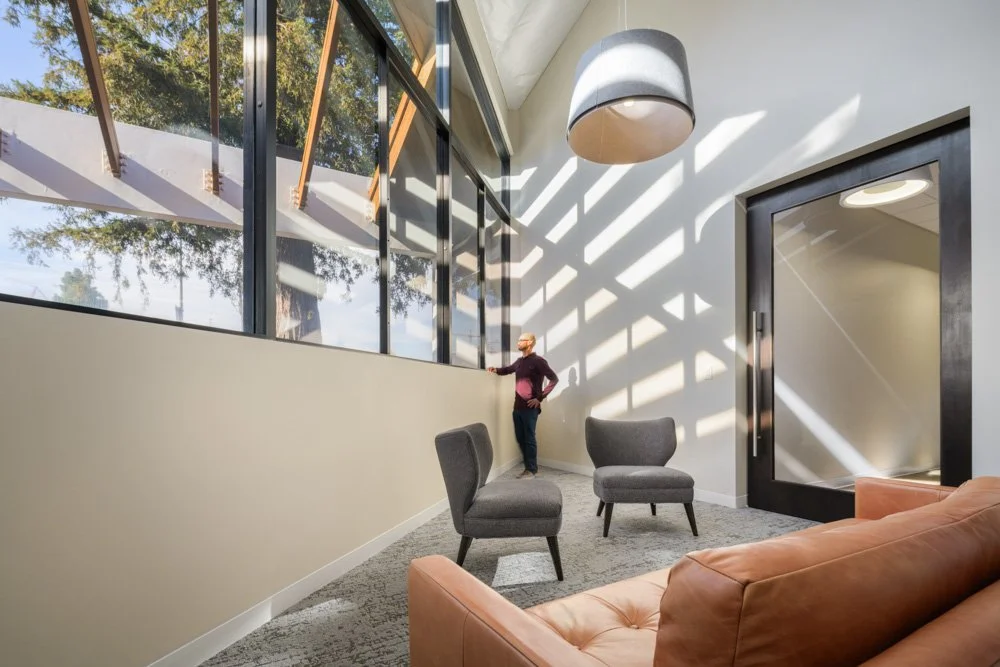
The lobby plays an important role in that first impression. High ceilings and full-height windows bring in generous daylight while maintaining a connection to the surrounding neighborhood. A row of redwood trees just outside the glazing filters the sunlight, softening it as it enters the building and creating a gentle pattern of light throughout the day.
Further inside, meeting rooms and shared spaces branch off from the main areas of the building, giving members places for both large group gatherings and smaller conversations.
Constraints & Opportunities
Adapting an existing warehouse structure always brings both challenges and opportunities.
The original tilt-up shell provided generous interior volume, which made it possible to introduce tall ceilings and open gathering areas. At the same time, the large scale of the building required careful interior design choices to make the space feel welcoming and comfortable for everyday use.
Several aspects of the project shaped both the design and the photography:
The existing warehouse structure, which set the overall scale and proportions of the interior spaces
Strong natural daylight, especially in the lobby and quiet room
Street-facing windows, which provide views outward while maintaining a calm interior atmosphere
Curved interior walls, which influence how visitors move through the building
For photography, these conditions offered opportunities to highlight the balance between the building’s industrial origins and its new role as a community gathering place.
How We Approached the Shoot
The photography took place shortly after the center’s grand opening. Decorative elements from the celebration—balloon arches, flowers, and other installations—were still scattered throughout the building. While they were part of the festivities, they occasionally appeared in the frame and needed to be moved during the shoot.
It’s a small example of the behind-the-scenes adjustments that often happen when photographing newly completed spaces.
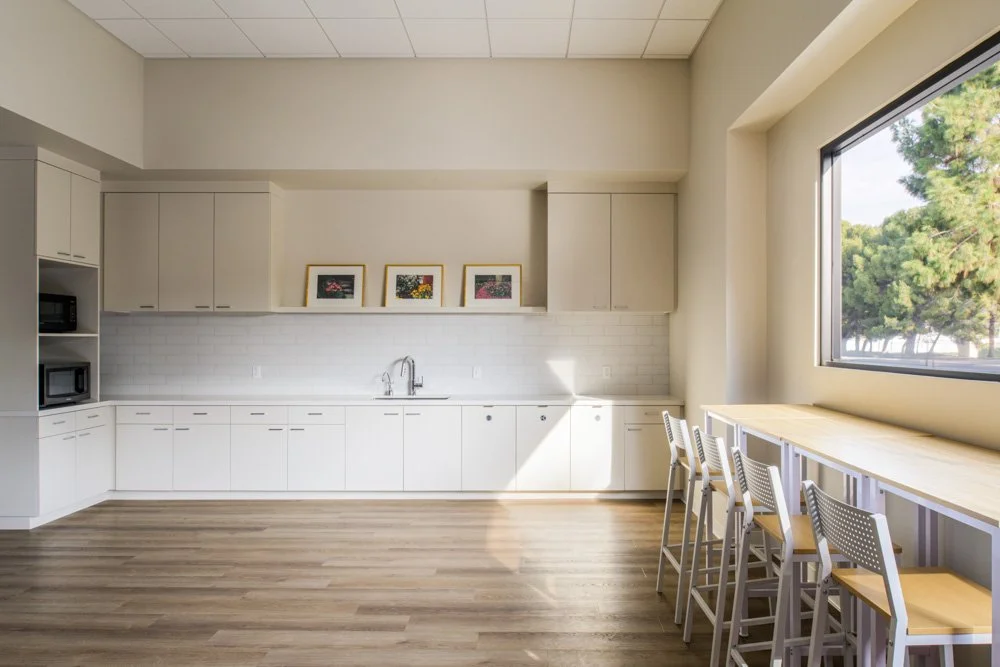
I began the shoot with the architect’s shot list, but also spent time walking through the building to see how the light moved through the rooms. The lobby, quiet room, and kitchen all receive strong morning sunlight, so those areas became early priorities.
Several decisions guided the photography that day:
Working with the morning light as it filtered through the redwood trees outside the lobby windows
Choosing viewpoints that reveal the gentle curves of the walls rather than flattening them
Balancing wide views of the rooms with smaller moments of detail
The goal was to create images that help viewers understand how the building feels to spend time in—not just how the rooms are arranged.
Image Highlights
The lobby photographs form the heart of the image set. Morning sunlight passes through the redwood trees outside the glass, softening the light as it enters the space. The result is a bright but calm atmosphere that reflects the welcoming role of the lobby.
Another series of images focuses on the curved hallways and shared spaces that connect the different rooms. These views help explain how visitors move through the building and how the design avoids the feeling of long, rigid corridors.
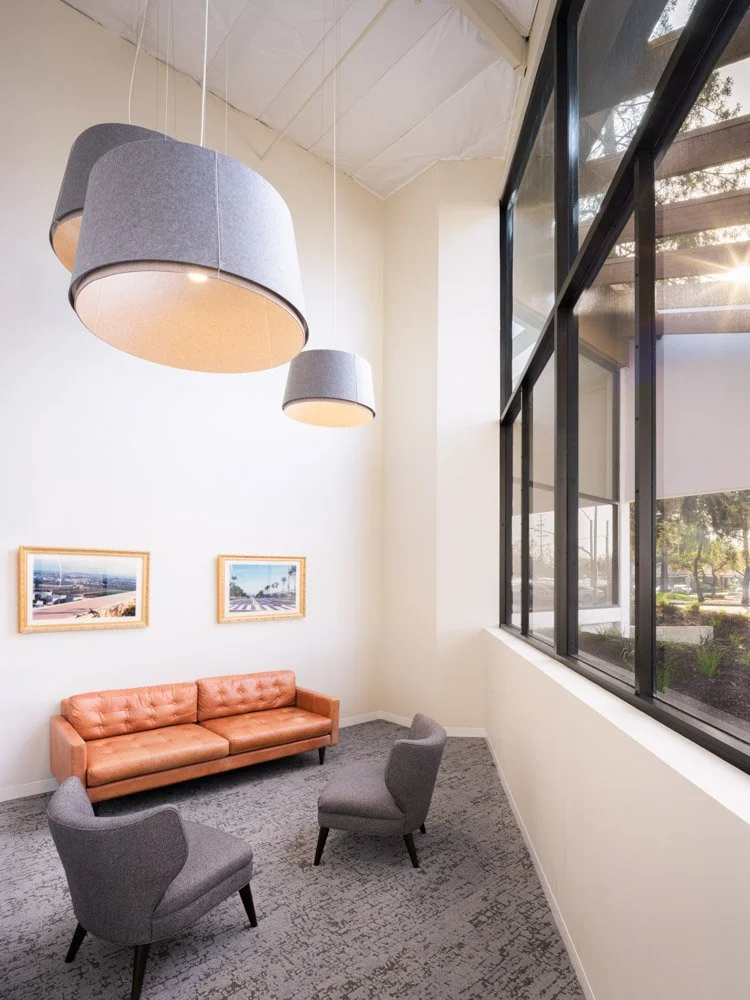
One of the most memorable spaces is the quiet room, located at a triangular corner of the building. Although it faces a busy street intersection, the redwood trees outside act as a natural filter, creating a sense of separation from the activity outside.
Inside, the room combines soft lighting, framed photographs, comfortable seating, and muted finishes. The atmosphere is relaxed and intimate—suited for reading, chanting, or quiet conversation.
Together, these images show how the building supports both large gatherings and individual moments of reflection.
Results & How the Client Uses the Images
The final image set focuses on the spaces that best represent the center’s day-to-day life: the lobby, quiet room, meeting areas, and shared gathering spaces.
These photographs support a range of uses for the project team and the organization:
Architect and contractor portfolios
Marketing materials and website updates
Presentations for future clients and collaborators
Social media and community outreach
For SGI-USA, the images also help introduce the center to members and visitors who may be seeing the building for the first time.
For my work as a commercial architectural photographer in the Bay Area, projects like this are always interesting because they show how existing buildings can take on completely new roles. A former warehouse becomes a place where people gather, learn, and connect with one another.
If you’re finishing a project in the Bay Area and need clear, publication-ready architectural photography, you’re welcome to reach out through the contact page. You can also explore other projects in the portfolio or browse additional case studies on the blog.
Key Takeaways
Design: Curved interior walls give the building a softer, more welcoming character.
Context: The project transforms a former commercial warehouse into a community gathering space.
Light: Daylight filtered through redwood trees shapes the atmosphere of the lobby.
Users: The center supports meetings, study sessions, and quiet reflection for SGI-USA members.
Photography: Morning light helped reveal the building’s most natural atmosphere.
Process: Small adjustments during the shoot—such as moving event decorations—helped keep the focus on the architecture.
Outcomes: The photographs support marketing, portfolio, and presentation needs for the project team.